



Feeding Persian Cats: Diet Tips for Long-Haired Breeds in Pakistan
Morsus Pet FoodShare
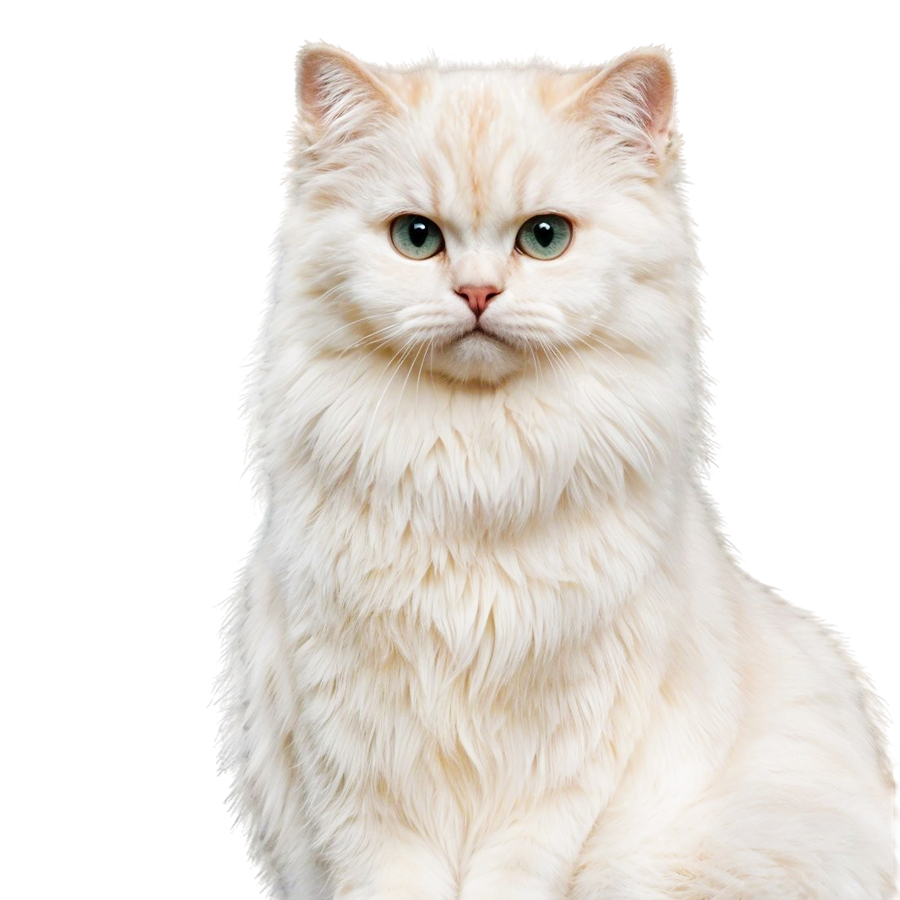
Persian cats are among the most loved cat breeds in Pakistan. Their long coats, round faces and calm personalities make them popular in homes from Karachi to Islamabad. But that beautiful coat and unique face shape also mean Persians have special feeding needs.
This guide covers everything you need to know about feeding Persian and other long-haired cats in Pakistan, from choosing the right food to managing weight, hairballs, hydration and summer heat.
1. What Makes Persian Cats Different?
Persians are not just fluffy cats. Their body and lifestyle affect how they eat.
Key Traits That Affect Diet
| Trait | How it affects feeding |
|---|---|
| Long, thick coat | Needs nutrients for coat health; more hairballs |
| Flat face (brachycephalic) | Can find it harder to pick up food |
| Calm, less active nature | Higher risk of weight gain |
| Sensitive to heat | Needs extra care in Pakistan's summers |
| Prone to some health issues | Benefits from a balanced, controlled diet |
Brachycephalic Face Shape
Persians are a brachycephalic breed, which means they have a short nose and flat face. This can make picking up food from deep bowls harder and can affect breathing in hot weather.
2. Nutritional Needs of Persian Cats
Like all cats, Persians are obligate carnivores. They need animal protein to stay healthy.
Essential Nutrients for Persians
- High-quality animal protein: supports muscles and strong hair
- Omega-3 and omega-6 fatty acids: support skin health and a shiny coat
- Taurine: vital for heart and eye health
- Vitamins and minerals: including zinc and vitamin D3
- Fibre: helps move swallowed fur through the gut
Choosing the Right Food
Choose a complete, balanced cat food made for your cat's life stage. Kittens need kitten food until about 12 months, and adult Persians need adult cat food. Morsus chicken cat food is made in Pakistan with real chicken and added nutrients such as taurine, vitamin D3 and zinc.
3. Kibble Shape, Size and Bowl Choice
Flat-faced cats can struggle with some foods and bowls.
Kibble Tips
- Small to medium kibble is often easier to pick up.
- Watch how your Persian eats. If it pushes food out of the bowl or struggles, try a different kibble size.
Best Bowls for Persians
| Bowl type | Why it helps |
|---|---|
| Shallow, wide bowl | Easy access for a flat face |
| Slightly tilted bowl | Food gathers in one spot |
| Raised bowl | Comfortable eating posture |
| Stainless steel or ceramic | Easy to clean, hygienic |
Keeping the Face Clean
Persians often get food and tear stains on their faces. Wipe their face gently with a soft, damp cloth after meals.
4. How Much and How Often to Feed
Persians are often less active than other breeds, so portion control matters.
Feeding Guidelines
- Follow the feeding guide on the food pack as a starting point.
- Adjust for your cat's age, weight and activity level.
- Split the daily amount into two or three meals.
- Avoid leaving unlimited food out all day.
Feeding by Life Stage
| Life stage | Food type | Meals per day |
|---|---|---|
| Kitten (2–12 months) | Kitten food | 3–4 |
| Adult (1–7 years) | Adult cat food | 2–3 |
| Senior (7+ years) | Food suited to older cats, as advised by a vet | 2–3 smaller meals |
5. Managing Weight in Persian Cats
Persians love to lounge. Without enough activity, they can easily gain weight.
Why Weight Matters
Extra weight can put pressure on joints, make grooming harder and add strain in hot weather.
Signs Your Persian Is Overweight
- You cannot feel the ribs easily under the coat
- No visible waist when viewed from above
- A sagging belly
- Less interest in play
Weight Control Tips
- Measure food with a cup or kitchen scale.
- Limit treats to a small part of the daily diet.
- Play with your cat for 10–15 minutes twice a day.
- Use food puzzles to make meals more active.
- Ask your vet for a target weight.
6. Hairballs and Coat Care
Long coats mean more swallowed fur and more hairballs.
Diet for Coat Health
A diet rich in quality protein and healthy fats supports strong hair and reduces excess shedding. Natural fibre from vegetables helps swallowed fur pass through.
Grooming Routine
- Brush your Persian daily with a wide-tooth comb.
- Pay attention to the belly, behind the ears and under the legs, where mats form.
- Consider professional grooming every few months.
Expert Tip
Combine daily brushing with a balanced diet and good hydration. These three habits together are the most effective way to reduce hairballs.
7. Hydration and Summer Care in Pakistan
Persians are sensitive to heat because of their thick coats and flat faces.
Hydration Tips
- Keep several bowls of fresh water around the house.
- Use wide, shallow water bowls.
- Add a little water to dry food in summer.
Summer Care Tips
| Tip | Why it matters |
|---|---|
| Keep your Persian indoors in a cool room | Reduces heat stress |
| Feed in cooler hours | Supports appetite |
| Brush daily to remove loose undercoat | Helps airflow through the coat |
| Avoid play during the hottest hours | Reduces risk of overheating |
| Watch for panting or weakness | Early signs of heat stress |
8. Treats for Persian Cats
Treats are a great way to bond, but they should stay small.
Treat Guidelines
- Keep treats to a small part of the daily diet.
- Choose cat-specific treats, not human snacks.
- Use treats as rewards during grooming to build a positive routine.
Creamy treats can also add a little extra moisture to your cat's day. See Morsus creamy cat treats.
9. Common Mistakes and Best Practices
Common Mistakes
| Mistake | Better approach |
|---|---|
| Free-feeding all day | Measured meals, two to three times a day |
| Using deep, narrow bowls | Shallow, wide bowls |
| Feeding human food and leftovers | Complete cat food only |
| Skipping daily brushing | Brush every day |
| Ignoring weight gain | Track weight and adjust portions |
| Giving cow's milk | Fresh water instead |
Best Practices
- Feed a complete, balanced diet suited to your cat's age
- Use shallow bowls and keep the face clean
- Control portions and treats
- Brush daily and keep your cat well hydrated
- Schedule regular vet check-ups
10. Conclusion
Persian cats need a little extra thought at mealtime. Their flat faces, long coats and relaxed lifestyle mean they benefit from the right kibble, shallow bowls, measured portions and a diet that supports coat health.
Pair good nutrition with daily grooming, plenty of water and careful summer care, and your Persian will stay healthy, comfortable and beautiful year-round in Pakistan. For specific health concerns, always ask your vet.
11. Frequently Asked Questions
1. What is the best food for Persian cats in Pakistan?
A complete, balanced cat food with high-quality animal protein, healthy fats, taurine and natural fibre suits most Persians. Choose kitten or adult food based on age.
2. How much should I feed my Persian cat?
Start with the feeding guide on the food pack, then adjust for your cat's age, weight and activity. Split the daily amount into two or three meals.
3. Why does my Persian cat struggle to eat from its bowl?
Persians have flat faces, so deep bowls can be difficult. Try a shallow, wide or tilted bowl and a smaller kibble size.
4. How can I reduce hairballs in my Persian cat?
Brush daily, feed a balanced diet with healthy fats and fibre, and keep your cat well hydrated.
5. Do Persian cats need special care in summer?
Yes. Keep them indoors in a cool room, provide plenty of water, brush daily and avoid activity during the hottest hours.